
Something shifts after dark. Not dramatically, not all at once — but noticeably. The quality of attention changes. Touch feels more deliberate. Words carry more weight. The same room you moved through all day becomes a different place when the light goes low and the noise of everything else finally stops.
This isn't imagination or romance mythology. There are real, physiological reasons why nighttime creates a different context for intimacy — and understanding them is the first step toward designing experiences that actually use that difference rather than just stumbling into it.
What happens to the body after dark
As daylight fades, the nervous system begins a gradual transition. Cortisol — the hormone most associated with alertness, stress response, and daytime productivity — naturally decreases through the evening. In its place, the body moves toward a slower, more receptive state. The constant low-level vigilance that carries most people through a working day starts to loosen.
This matters for intimacy in a very practical way. Arousal and connection are both significantly easier to access from a calm nervous system than from an activated one. The mental tabs that stay open during daylight — emails, logistics, the low hum of unfinished things — tend to close, one by one, as the night deepens. What's left is more immediate. More present.
Touch registers differently in this state. Without visual distraction, the skin becomes more articulate. A hand on a shoulder communicates more. The weight of another person feels more substantial. Sensation that would be pleasant in the afternoon becomes absorbing at midnight.
This is why so many people report that their most connected, most memorable intimate experiences tend to happen late. It isn't coincidence or nostalgia. It's the nervous system finally creating the conditions that intimacy has been waiting for.
The role of environment: what you design versus what just happens
Here's the distinction that separates good intentions from actual experiences: most people wait for the right mood to arrive. The couples who consistently create connected intimacy tend to do something different — they design conditions that make the mood more likely.
This doesn't require elaborate preparation or a dedicated ritual that feels performative. It requires a few deliberate choices that signal to both your body and your partner that this time is different from the rest of the day.
Light is the most immediate lever. Warm, low light — a bedside lamp on its dimmest setting, a candle, or simply turning off overhead lighting — shifts the visual environment in a way the nervous system immediately registers. Bright overhead light keeps you alert and task-oriented. Warm low light communicates permission to slow down.
Sound is the second. Silence works for some people; a consistent low background — music with no lyrics, ambient sound, or simply the quiet of a switched-off phone — works better for others. The goal is removing the sounds that trigger an alerting response: notifications, the television, anything that might pull attention outward.
Physical temperature matters more than people expect. A slightly warm room — or warm sheets, a warm shower beforehand, or simply taking time to warm up slowly together — signals safety to the body in a way that cold environments don't. Arousal and connection both increase when the physical environment feels genuinely comfortable.
And then there is pace. This is perhaps the most powerful and least discussed variable. Nighttime intimacy that feels different from daytime intimacy is almost always slower. Not passively slow — deliberately slow. Touch that pauses. Attention that lingers. A willingness to stay with one sensation rather than moving immediately to the next.
How sensory tools change the after-dark experience
Once the environment is considered, the question becomes: what amplifies that foundation?
Sensory tools — products specifically designed to heighten specific sensations — are most effective when the nervous system is already in a receptive state. This is precisely why they pair so naturally with after-dark intimacy. The same feather tickler that might feel like a mild novelty in bright afternoon light becomes something genuinely arresting when used slowly, in low light, with a partner whose attention is entirely on you.
Something like the Sex Kitten Feather Tickler is a good example of a tool whose simplicity is its strength. There is no learning curve. No settings to navigate. Just slow, unpredictable contact that asks the body to stay present and attentive, never quite sure where the next touch will land. That uncertainty — mild and entirely safe — is a form of controlled anticipation that the receptive nighttime nervous system experiences very differently from the vigilant daytime one.
Temperature contrast works similarly. Alternating warm breath with cooler air, or introducing a glass toy that can be briefly warmed under water before use, creates layered sensation that demands the kind of full-body attention that is genuinely difficult to access during busier parts of the day. At night, with the right environment already in place, that same sensation becomes immersive.
Blindfolds deserve their own mention here. Removing sight at night — when it's already dark — sounds redundant until you try it. What a blindfold does is not primarily about blocking visual information. It signals to the wearer that attention should turn entirely inward, toward sensation rather than observation. Combined with the already-lowered nervous system arousal of late evening, it can create a quality of presence that is difficult to reach any other way.
Making it a ritual rather than an occasion
The word ritual can sound serious or effortful, but what it really describes is a consistent set of signals that the body learns to recognize. Over time, the same sequence of small choices — the lamp switched on, the phone face down, a particular scent, a particular pace — becomes a cue. The nervous system stops waiting to be convinced and simply begins transitioning, because it has learned what these signals mean.
This is one of the most practical arguments for investing in a small, curated selection of sensory tools rather than accumulating products that never quite make it to the bedside. A consistent kit — the one specific item you reach for when you want a particular feeling — builds association over time. The act of reaching for it becomes part of the transition.
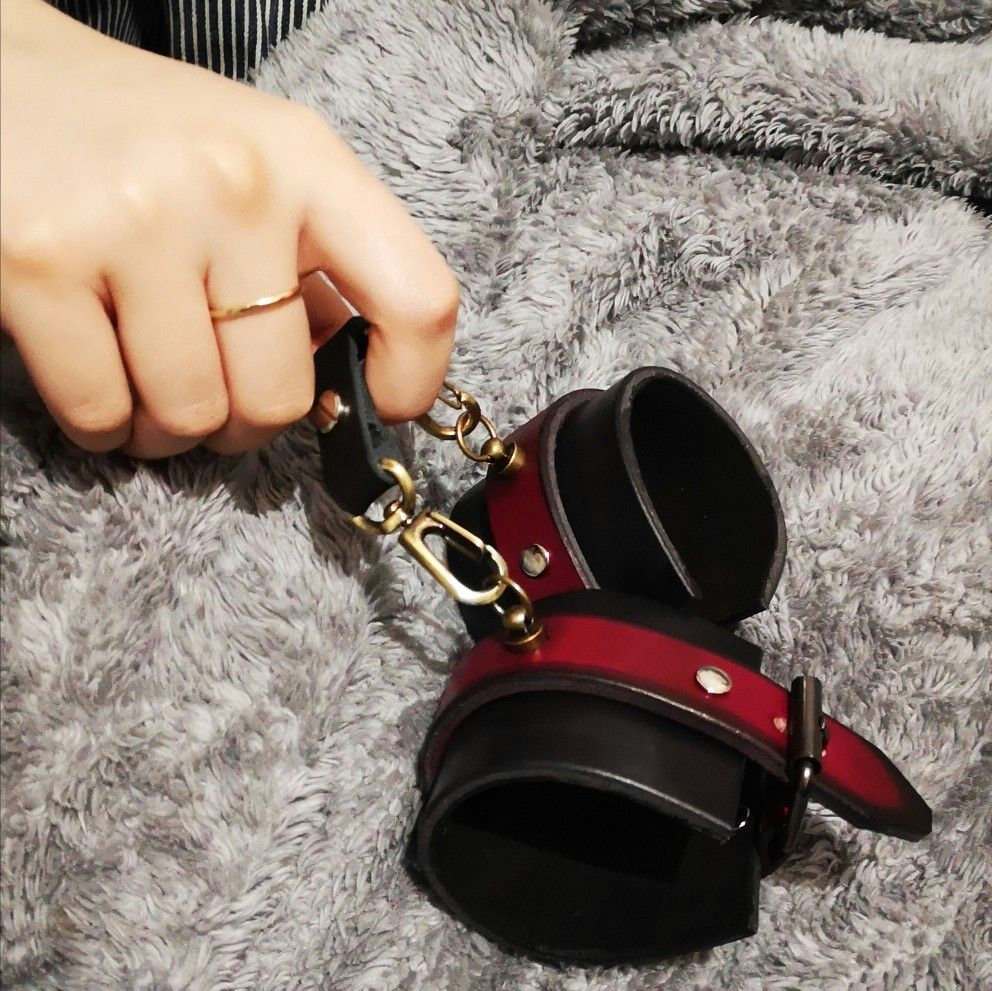
The After Dark Essentials collection is designed with exactly this in mind. Not an overwhelming array of options, but a considered group of pieces that support the specific kind of intentional, sensory-forward intimacy that nighttime makes possible. A blindfold. A sensation tool. Restraints, if that dynamic appeals. The basics of an after-dark kit that can become, through repetition, a ritual.
When the goal is simply presence
Not every night needs architecture. Some of the best after-dark intimacy is entirely unplanned — a spontaneous closeness that the quieted evening made available without any preparation at all.
What changes when you understand the psychology of nighttime is not that you feel obligated to design every experience. It's that you stop leaving it entirely to chance. When the conditions are right — when the room is warm and the light is low and you have genuinely stopped doing other things — you recognize them as an invitation rather than a coincidence.
Desire, for most adults, is less about spontaneous combustion and more about creating the conditions where connection becomes natural. Nighttime is one of the most reliable of those conditions. What you do with it — whether that's a simple slowness or a more deliberate sensory experience — is entirely yours to choose.
The most elevated intimate experiences tend to share one quality: they feel like they were meant to happen. Not because they were heavily choreographed, but because someone, at some point, chose to pay attention.
After dark, that choice is a little easier to make.