
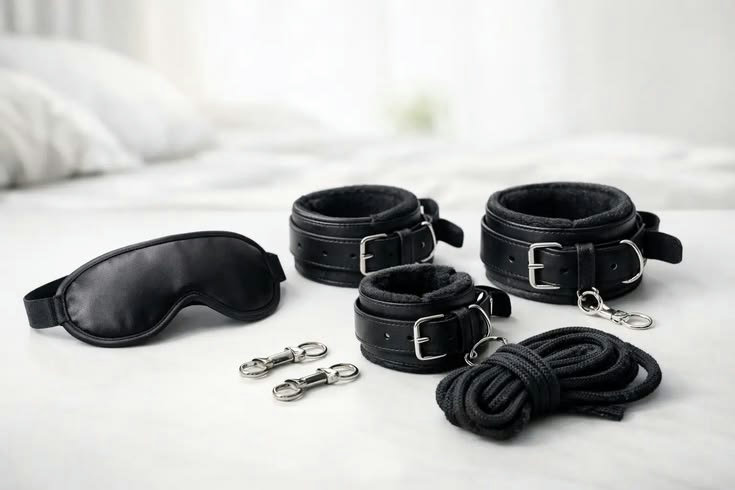
A silk blindfold can feel luxurious. A poorly made cuff can ruin the mood in seconds.
That contrast is what separates impulse buys from a truly curated experience. Bondage gear is not just about aesthetics or intensity. It shapes trust, comfort, control, and the overall tone of play. For some, it opens the door to sensory teasing and playful restraint. For others, it creates a more defined power dynamic built on precision, communication, and mutual confidence.
If you are shopping with intention, the goal is not to buy the most extreme item first. It is to choose pieces that fit your experience level, your interests, and the kind of connection you want to create.
What bondage gear actually includes
Bondage gear covers a wide spectrum, and that range matters. Someone looking for a soft introduction to control play needs something very different from someone building a more advanced setup.
At the entry point, bondage gear often means blindfolds, wrist restraints, ankle cuffs, under-bed restraint systems, collars, leashes, and beginner kits. These pieces focus on anticipation, restriction, and sensory contrast without requiring a complicated learning curve.
From there, the category expands into gags, paddles, floggers, chastity devices, posture accessories, bondage tape, spreader bars, and specialized equipment designed for more structured scenes. Some shoppers are drawn to the emotional texture of surrender and control. Others are interested in the visual polish, the physical sensation, or the ritual that certain pieces bring into the room.
The point is simple: bondage gear is not one thing. It is a toolkit, and the right toolkit depends on the experience you want.
Start with the feeling, not the product
Many people shop backward. They start by asking which item is popular, then try to decide whether they want it. A better approach is to start with the mood.
Do you want soft restraint that keeps things flirtatious and accessible? Do you want sensory deprivation that heightens every touch? Are you interested in playful control, ceremonial power exchange, or a more intense style of impact and restriction? Those are different experiences, and they call for different materials, designs, and levels of structure.
If your focus is anticipation, a blindfold and a set of padded cuffs may do more than a drawer full of complicated gear. If your interest is authority and presentation, a well-made collar or a restraint set with polished hardware may feel more aligned. If you want a broader mix of sensations, adding a paddle or flogger can create variety without forcing the entire scene into high intensity.
This is where a design-led approach pays off. Thoughtfully chosen gear feels cohesive. It supports the mood instead of distracting from it.
The best bondage gear for beginners is usually simpler than expected
For beginners, simplicity is not boring. It is smart.
The best first purchases are usually comfortable wrist restraints, ankle cuffs, a blindfold, and perhaps a soft impact toy if both partners are curious. These categories are approachable, easy to understand, and flexible enough to fit different comfort levels. They also leave room to learn what you actually enjoy before investing in more specialized pieces.
A common mistake is choosing gear based only on how dramatic it looks. In practice, comfort, adjustability, and ease of removal matter more. A restraint that is beautiful but difficult to fasten or uncomfortable against the skin rarely becomes a favorite. A beginner-friendly piece should feel intuitive. It should invite confidence, not second-guessing.
Starter kits can be useful here, especially for couples who want a coordinated introduction to restraint and sensory play. The trade-off is that kits vary widely in quality. Some offer genuine convenience. Others feel generic. If you prefer a more refined setup, building your own combination of essentials often leads to a better fit.
Materials change the experience
Material is not a minor detail. It affects comfort, durability, aesthetics, and the emotional feel of the scene.
Leather and faux leather tend to create a more structured, polished look. They can feel authoritative and visually striking, especially in collars, cuffs, and harness-style pieces. The trade-off is that some designs need a break-in period, and lower-quality versions can feel stiff.
Velvet, satin, and padded fabrics offer a softer entry point. These materials often work well for blindfolds and beginner restraints because they feel less intimidating and more sensual. They are ideal for shoppers who want intimacy and control without a severe visual tone.
Silicone, metal, and hard-finish materials usually introduce a more deliberate, technical feeling. They can be elegant and intense, depending on the item, but they also require more careful selection. Weight, temperature, and fit become more important here.
When in doubt, choose the material that matches your comfort level as much as your aesthetic. The most beautiful piece in the wrong material will still feel wrong.
Fit, function, and safety are part of the luxury
There is nothing refined about gear that leaves marks you did not want, pinches unexpectedly, or creates panic because it cannot be removed quickly.
Well-chosen bondage gear should support confidence. That means adjustable closures, smooth edges, secure hardware, and a clear understanding of how the item is meant to be used. Restraints should never cut off circulation. Gags require extra consideration because they affect breathing, speech, and comfort. Impact tools vary dramatically in sting, thud, flexibility, and control.
This is where honest self-assessment matters. Not every product suits every body, every skill level, or every dynamic. It depends on mobility, pain tolerance, prior experience, and how much structure you want in your scenes.
Communication is part of the product experience, too. Clear check-ins, agreed boundaries, and an easy way to pause or stop are not separate from pleasure. They create the conditions that make deeper exploration possible.
Building a bondage gear collection with intention
A strong collection does not need to be large. It needs to be coherent.
Think in layers. A blindfold adds sensory focus. Cuffs create restraint. A collar can shift the psychological tone. A paddle or flogger adds sensation. A chastity device or posture accessory introduces longer-form control for those who want it. Each piece should earn its place by expanding the experience, not by taking up space.
For many shoppers, the most satisfying collection includes a mix of foundational staples and one or two statement pieces. Foundations are the items you return to often because they are versatile and easy to incorporate. Statement pieces are the ones that define a specific mood or fantasy. Both matter, but the foundation usually gets more use.
This is also why shopping from a curated retailer matters. A well-organized selection helps you move by intention, whether you are looking for sensory play, playful control, or more advanced restraint. At XtasyXperience, that kind of curation supports a more confident buying process because the focus stays on experience, not clutter.
When to level up to more advanced gear
Advanced gear makes sense when you already understand your preferences and want more precision, not just more intensity.
That might mean upgrading from soft cuffs to a more structured restraint system. It might mean adding specialized gags, spreader bars, bondage furniture, or chastity devices once you know how those elements fit into your dynamic. More advanced gear can create a stronger visual language and a more immersive scene, but it also asks for more knowledge, more communication, and better preparation.
If you are still figuring out whether you enjoy restraint at all, jumping straight into extreme bondage gear is usually not the elegant move. The better path is progressive. Let experience sharpen your taste.
Questions worth asking before you buy
Before adding anything to your collection, ask yourself a few practical questions. Will this feel good on the body, or just look good in photos? Is it easy to clean and store discreetly? Does it fit the tone of play I actually want, or the one I think I should want? Can my partner and I use it confidently on the first try?
Those questions tend to lead to better choices than chasing novelty.
Bondage gear should feel like an extension of trust
The best pieces do more than restrain, decorate, or intensify. They create atmosphere. They give form to desire. They make control feel deliberate, sensation feel heightened, and intimacy feel deeply considered.
That is why quality matters so much in this category. Bondage gear sits at the intersection of vulnerability and design. When it is chosen well, it does not feel excessive. It feels exact.
If you are building your collection, choose gear that reflects how you want to feel with yourself or with someone else: confident, connected, and fully in command of the experience you are creating.