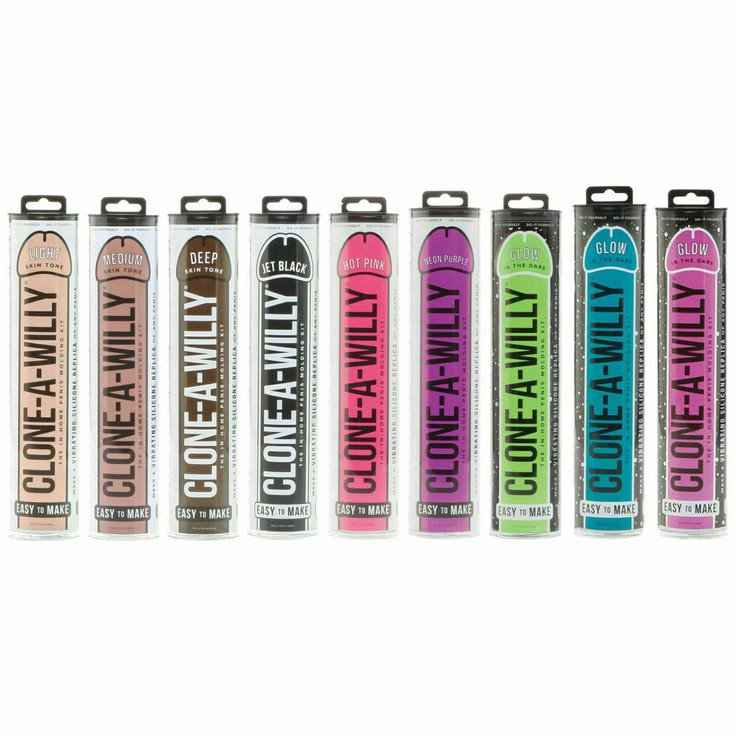
A clone kit sounds playful until you start shopping for one. Then the differences get real, fast. Some kits are built for a quick novelty moment, while others create a far more polished keepsake with better detail, safer materials, and a smoother overall experience. This clone kit buying guide is for shoppers who want more than a one-night gimmick - they want a result that feels intentional, intimate, and genuinely worth keeping.
For many couples, a clone kit sits at the intersection of connection and curiosity. It can be funny, sexy, sentimental, and a little ambitious all at once. That mix is part of the appeal, but it also means the right purchase depends on what kind of experience you want to create, not just what fits the budget.
What a clone kit should actually deliver
At its best, a clone kit captures shape with enough precision to feel personal, then turns that impression into a finished piece you can display, keep privately, or use depending on the product design. The process usually involves a molding material, a casting compound, gloves or tools, and instructions. Some kits are designed strictly as novelty keepsakes. Others are made with body-safe use in mind.
That distinction matters more than many product pages admit. A beautifully packaged kit may still produce a rough cast, inconsistent texture, or a final piece that is better for laughs than long-term enjoyment. If your goal is refined pleasure or a meaningful intimate project, you need to look beyond the headline promise.
Clone kit buying guide: start with your intention
The best place to begin is with the outcome you want. If you are buying for a bachelorette party gift or a humorous anniversary moment, convenience may matter more than studio-level detail. If you are creating something deeply personal with a partner, material quality and finish become far more important. If you want a body-safe replica intended for actual use, then safety standards and final texture should lead the decision.
This is where many shoppers overspend on the wrong features. A larger kit is not automatically better. A premium box does not guarantee a premium cast. And the fastest-setting formula is not ideal for everyone, especially first-time users who may want more working time and less pressure.
Material quality matters more than branding
Most clone kits rely on an alginate-style molding material and a separate casting component. The molding stage is where fine detail is won or lost. Better formulas tend to mix more evenly, set predictably, and capture texture without becoming unmanageable. Lower-quality mixes may clump, trap bubbles, or set too quickly, which can compromise the final result.
The casting material matters just as much. Some create a hard keepsake display piece. Others are formulated to produce a softer, more realistic end feel. If the finished item is intended to be handled frequently or used intimately, the difference is significant. A cast that looks good in photos may still feel chalky, rigid, or fragile.
Read product descriptions with a skeptical eye. Terms like realistic, premium, and professional-grade are often used loosely. What you want is clarity on what the final piece is made from, whether it is body-safe if marketed for use, and how much finishing work is required after the cast cures.
The right size and setup can make or break the experience
A common frustration with clone kits is buying one that is technically compatible but practically difficult. The container needs enough room for a comfortable fit, proper coverage, and easy removal. If the mold vessel is too tight or shallow, detail can suffer and the process can feel rushed or awkward.
Working time matters, too. Some formulas set in just a few minutes. That may sound efficient, but it leaves very little margin for nerves, repositioning, or partner coordination. A slightly slower set is often better for beginners because it creates a calmer, more controlled experience.
Temperature sensitivity is another detail shoppers miss. Many molding materials respond differently depending on water temperature and room conditions. Good kits account for that in the instructions. Weak kits leave too much guesswork, which can turn an intimate experience into a messy one.
Clone kit buying guide: how to judge detail and finish
If you care about realism, focus on how the brand talks about detail capture and finishing. The best kits tend to produce more consistent surface texture and cleaner edges, but even then, expectations should stay realistic. This is a home casting project, not custom medical imaging.
Look for signs that the kit supports a clean finish rather than just a successful mold. Does it include tools for smoothing or trimming? Does the cast require painting, sealing, or coating after it sets? Is the final material durable enough for long-term keeping? These questions are especially relevant if aesthetics matter to you.
There is also a trade-off between ease and precision. Some beginner-friendly kits simplify the process but sacrifice fine detail. Others are more exacting and reward careful technique. Neither is wrong. It depends on whether you want a low-pressure shared activity or a more polished result.
Safety is not the place to compromise
If a clone kit is sold as a usable intimate product, body safety should be non-negotiable. The finished material should be clearly described as body-safe, non-toxic, and suitable for the intended type of contact. If that language is vague, skip it.
You should also pay attention to cure time and aftercare instructions. A product that needs extensive post-processing before safe use is not necessarily a bad choice, but it does require more commitment. For many shoppers, a straightforward process is part of the luxury. Confidence comes from clarity.
Even if you are buying a keepsake-only kit, skin-safe molding materials and clean instructions still matter. The experience begins before the final object exists. Better formulas, better gloves, better mixing tools, and better guidance make the process feel considered rather than improvised.
Instructions tell you a lot about product quality
A clone kit is part product, part experience. That means the instructions are not a minor detail. They are a direct reflection of how well the brand understands the user.
Strong instructions are specific without being clinical. They explain prep, timing, positioning, cleanup, and likely mistakes. They prepare you for what the mixture should look like, how long each phase takes, and what can affect the result. Weak instructions are often full of broad promises and very little guidance.
For first-time buyers, this is one of the clearest signs of value. A slightly more expensive kit with excellent instructions often produces a better final result than a cheaper kit with inconsistent materials and vague setup steps.
When a clone kit is worth the splurge
A higher-end clone kit makes sense when the moment itself matters. Maybe it is part of an anniversary gift, a private keepsake, or a more personal way to celebrate chemistry and play. In those cases, the quality of the experience is part of what you are paying for.
Premium kits can justify the price if they offer better material consistency, more elegant packaging, improved tools, and a final result that looks and feels more finished. They are less compelling if the upgrade is mostly branding with no real difference in formula, safety, or detail.
For shoppers who prefer a curated, design-forward approach to intimacy, that distinction matters. Luxury should feel thoughtful, not inflated. If the product asks for more of your budget, it should return that value in ease, outcome, or both.
Who should avoid buying one right now
Not every shopper is in the right mindset for a clone kit. If you want instant gratification, very little mess, or guaranteed perfection on the first try, this category can disappoint. It is tactile, timing-sensitive, and a little unpredictable by nature.
It may also not be the best fit if privacy is limited. You need enough time and space to prepare, cast, and let the final piece cure properly. Rushing the process usually shows in the result.
That does not make clone kits impractical. It just means they reward intention. The best outcomes tend to come from buyers who treat the process as part of the pleasure, not an obstacle between checkout and the finished piece.
Choosing with confidence
A good clone kit should feel like more than a novelty purchase. It should give you confidence in the materials, clarity in the instructions, and a result that matches your reason for buying it. Whether you want a playful keepsake or a more intimate custom piece, the smartest choice is the one that aligns with your expectations instead of overpromising fantasy.
If you are building a more elevated approach to intimacy, that same standard applies here as it does anywhere else in your collection. Buy for quality, buy for clarity, and buy for the experience you actually want to remember. For shoppers who value a curated, refined approach, XtasyXperience reflects that mindset well. Sometimes the best purchase is the one that turns curiosity into something lasting.