
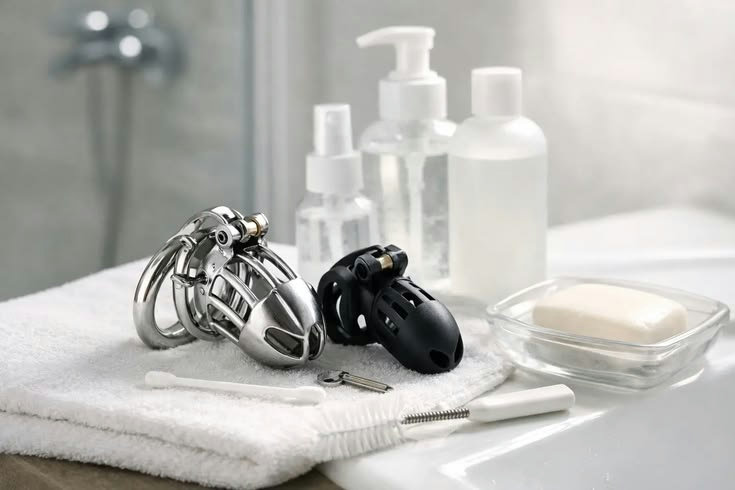
The moment a chastity device moves from occasional play to extended wear, hygiene stops being a minor detail and becomes part of the experience itself. Good chastity device hygiene and cleaning is not just about keeping things fresh. It shapes comfort, skin health, odor control, and whether the dynamic feels refined and sustainable or distracting and uncomfortable.
That matters even more with longer lockups, warmer climates, workouts, or devices with tighter clearances. A premium experience should feel intentional from start to finish, and that includes how you clean, inspect, and wear your gear.
Why chastity device hygiene and cleaning matter more than people expect
Skin in the genital area deals with heat, moisture, friction, and bacteria all at once. Add a cage, ring, or enclosed design, and you create a small environment where sweat, urine residue, dead skin, and body oils can build up quickly. Even a beautifully designed device can become uncomfortable if daily care is inconsistent.
The goal is not sterile perfection. It is steady maintenance that supports comfort and reduces avoidable issues. Mild odor, sweat, and some skin sensitivity can happen, especially during summer or long wear. Persistent burning, swelling, sharp pain, broken skin, or discharge are different. Those are signs to remove the device and reassess, and in some cases seek medical advice.
Material plays a role too. Stainless steel tends to be easier to sanitize thoroughly and often feels more polished for long-term care. Silicone can be comfortable and flexible, but some designs hold moisture differently. Resin, plastic, and lower-cost finishes may need more careful inspection because tiny scratches or seams can trap residue over time.
Start with fit, because poor fit creates hygiene problems
A surprising number of cleaning issues are actually fit issues. If a base ring is too tight, it can increase sweating, chafing, and swelling. If the cage is too loose, the device may shift, rub, and create friction points that become harder to keep clean. A poorly fitted device also makes routine rinsing less effective because the skin is already irritated.
That is why comfort and hygiene are linked. A well-fitted device allows airflow where possible, minimizes rubbing, and makes daily washing more realistic. If every cleaning session feels awkward or painful, your setup may need adjustment rather than better soap.
For beginners, shorter wear windows are usually the smart move. A few hours at a time gives you space to learn how your skin responds, how much moisture builds up, and whether the shape works for your body. Extended wear should feel like a deliberate progression, not a test of endurance.
The best daily cleaning routine
For most people, the right routine is simple and consistent. During a shower, use warm water and a mild, fragrance-free cleanser on the external area and the device itself. Harsh body washes, strong antibacterials, and heavily scented soaps can dry out or irritate delicate skin, which then makes wear less comfortable.
Rinse thoroughly. Soap residue can be just as annoying as sweat buildup, especially around the underside of the ring or near narrower openings. If your device design allows easy access, gently clean around all contact points with your fingers or a very soft cloth. Some wearers use cotton swabs for tight corners, but be careful not to leave fibers behind.
Drying matters more than people think. Trapped moisture is one of the biggest contributors to irritation and odor. After washing, pat the area dry carefully and make sure the device is not holding water in hidden seams or enclosed sections. A cool hair dryer setting can help if the design is hard to dry completely.
If you are wearing the device continuously, a quick rinse once a day is the minimum baseline for most bodies. In hot weather, after sex, after heavy sweating, or after the gym, an extra rinse is often worth it.
When full removal is the better choice
Some devices can be cleaned reasonably well while still on the body. Others cannot. If the design severely limits access, full removal on a regular schedule is the cleaner and more comfortable option. That schedule depends on your body, your activity level, and the material, but many people benefit from planned removal for a thorough wash and inspection.
This is where realism matters. A strict dynamic can still include care rituals. In fact, intentional maintenance often supports longer, more comfortable wear. Removing a device briefly to clean, dry, and check the skin is not ruining the mood. It is preserving the experience.
Once removed, wash the entire device with warm water and a gentle cleanser, then inspect every edge, vent, lock area, and seam. If your device is stainless steel and manufacturer guidance allows it, a more thorough sanitizing routine may be possible. With silicone or coated materials, gentler care is usually better. Always follow the material-specific care instructions when available.
Odor, residue, and what is normal
A little odor at the end of the day is not unusual. Genitals sweat. Devices trap heat. That alone does not mean something is wrong. Strong or worsening odor, however, usually points to one of three issues: not enough cleaning, not enough drying, or a device design that does not suit long wear for your body.
Urine residue is another common challenge, especially with enclosed cages or smaller openings. Rinsing after urination can help a lot, especially if you are aiming for extended wear. In a home setting, a handheld shower or bidet-style rinse makes this easier. When that is not possible, even a careful water rinse later is better than letting residue sit all day.
If residue keeps collecting despite regular washing, the issue may be geometry rather than discipline. Some designs simply offer better drainage and easier cleaning than others. That is one reason experienced wearers often become highly selective about shape, spacing, and material.
Skin care during long-term wear
Healthy skin is the foundation of comfortable chastity. If the area is already dry, inflamed, or freshly shaved, friction tends to feel worse. A close shave may look clean, but it can also increase ingrown hairs, razor burn, and prickly regrowth under a ring or cage. Trimming is often the lower-maintenance option.
Lubricants and barrier products can help in some cases, but they are not one-size-fits-all. Too much product can trap moisture or interact poorly with certain materials. If you use any skin-safe barrier or lubricant to reduce friction, choose a simple formula and test it with your device material first.
Pay attention to pressure marks. Light impressions that fade quickly may be fine. Persistent red lines, broken skin, numbness, or swelling are not part of refined control. They are signs the device needs to come off.
The cleaning tools worth having
You do not need an elaborate kit, but a few dedicated basics make a difference. A mild fragrance-free cleanser, a soft cloth, cotton swabs for detailed areas, and a clean towel reserved for drying intimate gear create a more polished routine. If your device uses a lock, keep that area clean and dry as well. Small metal parts can accumulate residue just like the cage itself.
Storage matters after cleaning. Put the device away only when it is completely dry. Storing even slightly damp gear in a pouch or drawer encourages stale odor and material wear over time. A breathable storage setup is often better than sealing it away immediately.
For shoppers building a more intentional care ritual, this is where quality shows. Well-finished devices with smoother edges and thoughtful construction are usually easier to clean and more comfortable to maintain. At XtasyXperience, that design-forward difference is part of what makes intimacy feel elevated rather than improvised.
Red flags you should not ignore
Hygiene cannot compensate for a device that your body is rejecting. If you notice sharp pain, skin breakdown, discharge, fever, significant swelling, or difficulty urinating, remove the device. Those symptoms go beyond routine adjustment.
It also depends on your health profile. People prone to skin conditions, recurrent infections, circulation concerns, or diabetes may need a more cautious approach to extended wear. There is no loss of sophistication in deciding that shorter sessions work better for your body.
A better standard for chastity care
The best chastity routines feel less like damage control and more like curation. Clean materials, thoughtful fit, daily rinsing, full drying, and regular inspection create a smoother experience and make longer wear far more realistic. This is not about perfection. It is about respecting the body that makes the fantasy possible.
If you want chastity to feel sustainable, not just intense, treat hygiene as part of the ritual. The device may symbolize control, anticipation, or devotion, but comfort is what lets that meaning last.