
The difference between a thrilling first bondage experience and one that feels awkward usually comes down to curation. The best beginner bondage kit essentials are not the most extreme items in the room - they are the pieces that make control feel safe, communication feel easy, and the entire experience feel intentional rather than improvised.
For beginners, that matters more than intensity. A well-chosen starter kit should create anticipation, not confusion. It should invite trust, support comfort, and give you room to explore power, sensation, and restraint without moving too fast. If you are building a first collection, think less about quantity and more about function, feel, and finish.
What the best beginner bondage kit essentials should actually do
A beginner kit is not about checking off every category in kink. It is about creating a clean, confidence-building entry point into sensory play and playful control. The right essentials help you explore a few core experiences well: light restraint, reduced sight, teasing sensation, and clear communication.
That usually means avoiding cheap, overstuffed sets packed with items you may never use. Many entry-level kits look appealing because they include everything from cuffs to gags to rope to paddles at a low price, but beginners often benefit more from fewer pieces made with better materials. Softer linings, adjustable sizing, secure closures, and body-safe finishes can make the first experience feel far more elevated.
There is also a practical reason to start with restraint and sensory play before moving into more advanced gear. These categories are easier to negotiate, easier to use correctly, and easier to stop immediately if something does not feel right. That makes them ideal for couples and solo explorers who want a refined first step.
The core pieces worth buying first
Wrist and ankle restraints
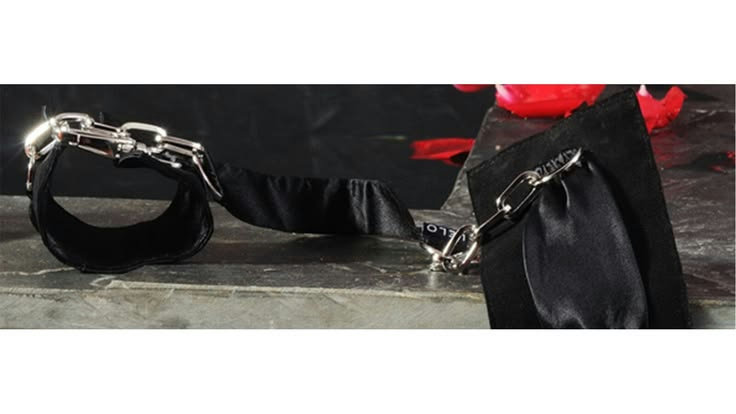
If there is one category that belongs in nearly every beginner setup, it is restraints. Adjustable cuffs with soft interiors are often the easiest place to start because they create the psychological thrill of control without requiring rope skills or advanced positioning. Look for designs that fasten securely, feel smooth against the skin, and can be removed quickly.
Wrist cuffs tend to get the most use because they are simple and versatile. Ankle cuffs can add another layer of restraint, but they are not always necessary on day one. For many beginners, a matching wrist restraint set is enough to establish the dynamic without overcomplicating the moment.
Under-bed restraint systems can also be a smart beginner option if discretion matters. They offer straightforward setup and can feel less intimidating than visible hardware. The trade-off is that they are more scenario-specific, while individual cuffs can adapt to more kinds of play.
A blindfold
A blindfold is one of the most underrated essentials in beginner bondage. Removing sight heightens anticipation almost instantly. A touch on the shoulder, a breath near the neck, or a soft stroke across the thigh can feel dramatically more intense when the receiver cannot predict what comes next.
For beginners, this is an elegant way to introduce power exchange without relying on heavy restraint or pain play. It shifts focus to trust, pacing, and sensory detail. A blindfold should feel comfortable, block light effectively, and sit securely without pressing too hard around the eyes.
If you are deciding between a blindfold and a gag for your first kit, choose the blindfold. It is more approachable, easier to integrate into different moods, and generally a better fit for those learning what kind of control dynamic they enjoy.
A teasing impact toy
A small paddle or a soft flogger can bring contrast into a beginner scene, but the keyword is teasing. You do not need something severe. A lightweight paddle with a smooth finish or a beginner-friendly flogger with softer falls allows you to experiment with rhythm, anticipation, and varied sensation rather than force.
This is where quality really matters. A poorly made impact toy can feel harsh in the wrong way, while a well-designed one gives you more control over intensity. Beginners should avoid jumping straight to harder materials or heavier tools unless they already know they enjoy stronger sensation.
The goal is not to perform at an advanced level. It is to learn how your body or your partner’s body responds to light taps, slow builds, and the emotional charge of waiting for the next touch.
A feather tickler or sensory tool
Bondage is not only about restraint. Often, the most memorable moments come from contrast - soft versus firm, expected versus unknown, stillness versus stimulation. A feather tickler, suede teaser, or other gentle sensory tool helps create that contrast beautifully.
This category works especially well with a blindfold. It turns simple touch into something more immersive and gives beginners a lower-pressure way to experiment with control. Some people discover quickly that they are more drawn to anticipation and teasing than to harder play, and sensory tools make that clear without requiring a bigger leap.
A collar or symbolic restraint piece
This one depends on your dynamic. A collar is not a requirement for beginners, and for some people it carries emotional weight they are not interested in. For others, it becomes the piece that makes the experience feel psychologically charged and intimate.
If you are exploring authority, surrender, or guided control, a simple collar can be a powerful addition. The best beginner version is comfortable, adjustable, and clearly chosen for style as much as function. In a design-led collection, this is often the piece that shifts bondage from something experimental to something deeply personal.
What to skip in your first bondage kit
Not every item marketed to beginners actually belongs in a first purchase. Rope can be beautiful and deeply rewarding, but it also comes with a steeper learning curve. If you are drawn to it, start later with education and intention rather than treating it like a casual extra.
Ball gags are another item many people buy too early. They can be exciting, but they also require more attention to breathing, comfort, and communication limitations. If you are just learning how you respond to restraint and power exchange, there is no rush.
The same goes for metal restraints, spreader bars, and anything labeled extreme. They are not inherently wrong, but they are rarely the most useful answer to the question of what a beginner actually needs. A more refined path usually starts with soft restraint, sensory deprivation, and light sensation play.
How to choose quality over gimmicks
The best beginner bondage kit essentials should feel intentional in your hands. Materials matter. Faux leather can work beautifully if it is soft, well-finished, and backed with a comfortable lining. Hardware should feel secure rather than flimsy. Velcro should be strong if used, and buckles should adjust smoothly.
Design matters too. A premium aesthetic is not superficial here - it often signals thoughtfulness in construction, comfort, and longevity. When a restraint set looks elegant and feels substantial, it is more likely to become part of your regular intimacy rather than a one-time novelty purchase.
This is also where shopping from a curated retailer helps. Brands like XtasyXperience present bondage and sensory play as part of intimacy, elevated - not as a chaotic pile of random accessories. That framing can make it easier to choose products by experience and mood instead of guessing based on shock value.
The real essential: communication built into the experience
No beginner bondage setup is complete without a plan for communication. This does not need to feel clinical, but it does need to be clear. Decide what you are trying tonight: light restraint, teasing, sensory focus, playful control. Agree on what is off-limits, what sounds exciting, and how to pause or stop immediately.
A safe word is useful, but plain language works too. The point is clarity. If a blindfold is involved, check in more often than you think you need to. If restraints are involved, make sure circulation stays comfortable and exits stay quick and simple.
What surprises many beginners is that structure often makes the experience feel more luxurious, not less spontaneous. Confidence comes from knowing the frame is secure enough to let go inside it.
Building your first kit with intention
If you are starting from zero, the strongest first collection usually includes soft wrist restraints, a quality blindfold, one teasing impact toy, and one sensory tool. That mix gives you enough range to create anticipation, establish control, and discover what kind of play feels most natural.
From there, let experience shape the next addition. If you love sensory deprivation, expand that lane. If restraint becomes the highlight, consider ankle cuffs or an under-bed system. If the emotional dynamic is what stays with you, a collar or more structured power-play accessories may be the right evolution.
The best beginner kit is the one that leaves you curious for more, not overwhelmed by too much. Start with pieces that feel polished, intuitive, and easy to trust. When intimacy is treated as a curated experience rather than a rushed experiment, exploration tends to become more confident, more connected, and far more memorable.