
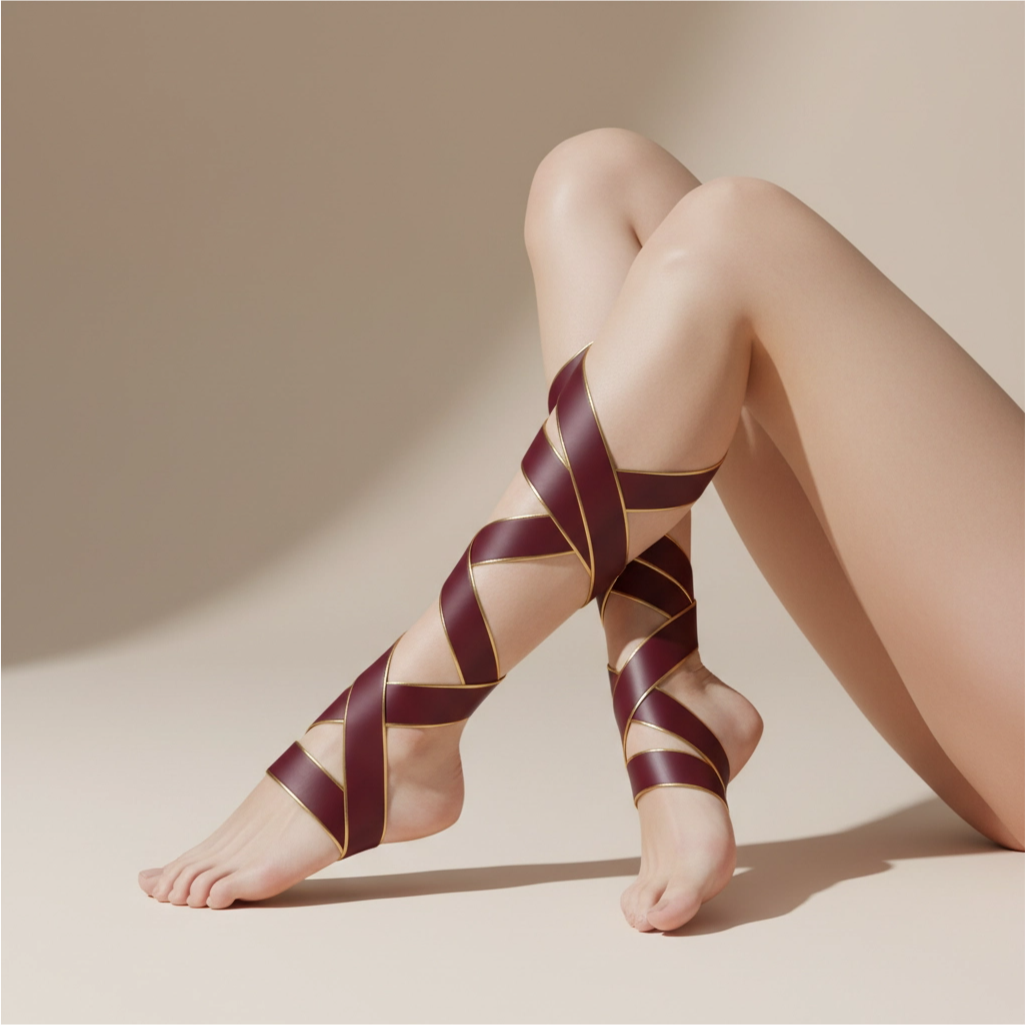
You want the thrill of control without the part where your wrists feel bruised the next day. That is the line most beginners are trying to walk: a restrained, elevated moment that still feels comfortable, safe, and genuinely sexy.
The good news is that “beginner” does not have to mean flimsy, and “restraints” do not have to mean painful. Comfort is usually about three things: material choice, adjustability, and how you use them. Get those right and you can build a playful power dynamic that feels intentional, not improvised.
What “beginner restraints that won’t hurt” really means
When people search for beginner restraints that won’t hurt, they are usually trying to avoid two experiences: sharp pressure (where a narrow strap digs into skin or compresses a nerve) and friction (where rough materials chafe as you move). Pain can also show up later, when swelling or redness appears because circulation was restricted.
A comfortable restraint spreads pressure over a wider surface, has some give where it matters, and stays in place without forcing you to tighten it down. It should also be easy to remove quickly. If a product makes you think, “I hope I can get out of this,” it is not a beginner piece - it is a stressor.
There is also a personal “it depends” here. Some bodies bruise easily. Some wrists are sensitive. Some people love the psychological intensity of “can’t move,” but still want the physical sensation to be soft and plush. The most beginner-friendly setup is the one that lets you stay present instead of monitoring your discomfort.
The comfort-first materials that matter
If you want restraints that won’t hurt, start by prioritizing what touches the skin. Material is not just about aesthetics - it is the difference between “luxury” and “why does this feel scratchy?”
Padded cuffs (the true beginner staple)
Padded cuffs are the easiest entry point because the padding distributes pressure. Look for wide cuffs, a soft lining, and closure that does not pinch. A well-designed cuff should feel secure at a moderate tightness, not require you to crank it down.
Padding also makes it easier to experiment with position changes. Even small shifts can create pulling or twisting at the joint; cushioning keeps that from turning into irritation.
Soft vegan leather or smooth leather (when done right)
Quality vegan leather and genuine leather can both be comfortable, but the keyword is quality. A smooth finish, clean edges, and a lining that feels gentle will read as refined and wearable. Poorly finished edges can scrape, especially around the wrist bones.
If you are buying leather for comfort, choose wider cuffs over thin straps. Thin always concentrates pressure.
Neoprene and other “athletic” fabrics
Neoprene-style cuffs can feel plush and forgiving, especially for beginners who want something soft without a “traditional kink” look. They often have a bit of stretch and a smooth feel that reduces friction. The trade-off is that they can run warm. If you know you sweat easily or you are planning a long session, you may prefer breathable lining.
Rope (only with education and intention)
Rope is beautiful and intensely psychological, but it is not the first recommendation for “won’t hurt.” Even soft rope can compress nerves quickly if you do not know what you are doing, and beginners often tie too tight or in the wrong place.
If rope is your goal, treat it like a skill. Learn placements, practice on a pillow, and start with decorative, loose ties rather than functional restraint. “Looks restrained” can be plenty for a first experience.
The beginner restraint styles that stay comfortable
Comfort is also about design. Some restraint styles naturally protect joints and keep pressure in safer zones.
Under-the-bed restraint systems (secure, adjustable, low drama)
Under-the-bed systems are a favorite for beginners because the restraint point is stable and the straps are typically adjustable. You are not improvising with a headboard that may move or a chair that might tip. The restraint is also spread out, which reduces the urge to over-tighten.
They are especially good if you want a “contained” experience that still lets you dial intensity up or down. One night you can keep arms comfortably open; another night you can bring the range of motion in closer.
Ankle and wrist cuffs with quick-release clips
A cuff set with sturdy clips or quick-release buckles is beginner-friendly because you can exit quickly. That matters for comfort, not just safety. If you feel a tingle, numbness, or a sudden “this is too much,” being able to release instantly keeps the moment trusting.
Look for hardware that feels smooth against the skin and does not have sharp corners. Cheap metal can scrape during movement.
Spreaders (for posture, not pressure)
A small spreader bar can create a confident, open posture while keeping the restraint itself gentle. The key is using padded cuffs and keeping the bar length beginner-appropriate. Too wide can strain hips or shoulders.
Spreaders are less about “locking someone down” and more about shaping a position that feels intentionally displayed. It is a very “luxury control” vibe when done softly.
Bondage tape (the zero-hardware option)
Bondage tape sticks to itself, not to skin or hair, and can be surprisingly comfortable for light restraint or sensation play. It is best for temporary, low-tension wraps. The moment you start pulling tight, you lose the comfort advantage.
Tape also gives beginners a sense of control because you decide exactly how much movement is allowed. The trade-off is that it does not provide the same secure, repeatable fit as cuffs.
What to avoid if you don’t want pain
Some products are popular because they are cheap or widely available, but they tend to create the “hurt” problem.
Narrow straps and unlined cuffs are the biggest culprits. They dig in fast, especially if the restrained partner pulls. Metal handcuffs are also a common mistake. They look decisive, but they concentrate pressure on hard edges and can pinch.
Improvised restraints are another risk, even if they feel soft at first. Scarves, neckties, and belts can tighten unpredictably and create friction. If you want a polished experience, choose gear designed for bodies.
Fit and setup: how to keep it comfortable in real life
Even the best restraint can hurt if it is fitted poorly. Comfort comes from a few practical habits that feel small but change everything.
Start with the “two-finger rule” as a baseline: you should generally be able to slide two fingers between cuff and skin. Then adjust based on sensation and movement. If the restrained partner tends to pull, keep it slightly looser and use stable anchor points, so the tug does not translate into sharp pressure.
Pay attention to joint angles. Wrists and ankles are not meant to be held at extreme angles for long. A comfortable restraint position keeps the joint relatively neutral and avoids twisting. If you want the look of “tension,” create it with posture and placement, not by cranking the cuff tighter.
Time matters. Early on, keep restraint play in shorter intervals, with check-ins built in. Comfort is easier to maintain when you are not testing endurance.
Communication that keeps the mood elevated
Nothing kills the vibe like turning a sexy moment into a medical evaluation. The solution is to make communication part of the experience, not an interruption.
Agree on a safeword and a “slow down” word. The second one is underrated. A phrase like “yellow” or “ease up” lets you adjust before discomfort becomes pain. Also plan what happens if speech is difficult: a hand squeeze, tapping, or dropping an object.
Check for numbness, tingling, or a cold sensation in hands and feet. Those are not “push through” signals. They are your cue to loosen or release. Beginner restraint play should leave you glowing, not sore.
A refined starter path (without overbuying)
If you are building a first restraint setup, you do not need a drawer full of gear. You need one comfortable foundation piece and a clear intention for how you want to feel.
A padded cuff set is the most versatile starting point. From there, choose either an under-the-bed system if you want structured control, or bondage tape if you want a lighter, more experimental approach. Add a blindfold if you want intensity without adding pressure - sensory play can amplify everything while keeping the body comfortable.
If you want a design-forward, curated place to browse restraint options by vibe and intensity, XtasyXperience is built for that kind of intentional shopping experience.
When “won’t hurt” still means “be cautious”
There are situations where you should be extra conservative. If someone has circulation issues, nerve sensitivity, joint injuries, or is pregnant, avoid restrictive positions and keep cuffs looser and sessions shorter. If anyone is using substances that reduce sensation or awareness, skip restraint play - numbness is how discomfort hides.
And if you are experimenting with more advanced restraint concepts (suspension, complex rope work, heavy immobilization), that is a different category. It can be beautiful, but it is not a beginner comfort goal.
Closing thought
The most seductive restraint is the one that feels chosen, not endured. When your gear is soft, adjustable, and easy to release, you get to focus on what actually matters: trust, attention, and the quiet confidence of giving control - on purpose.