
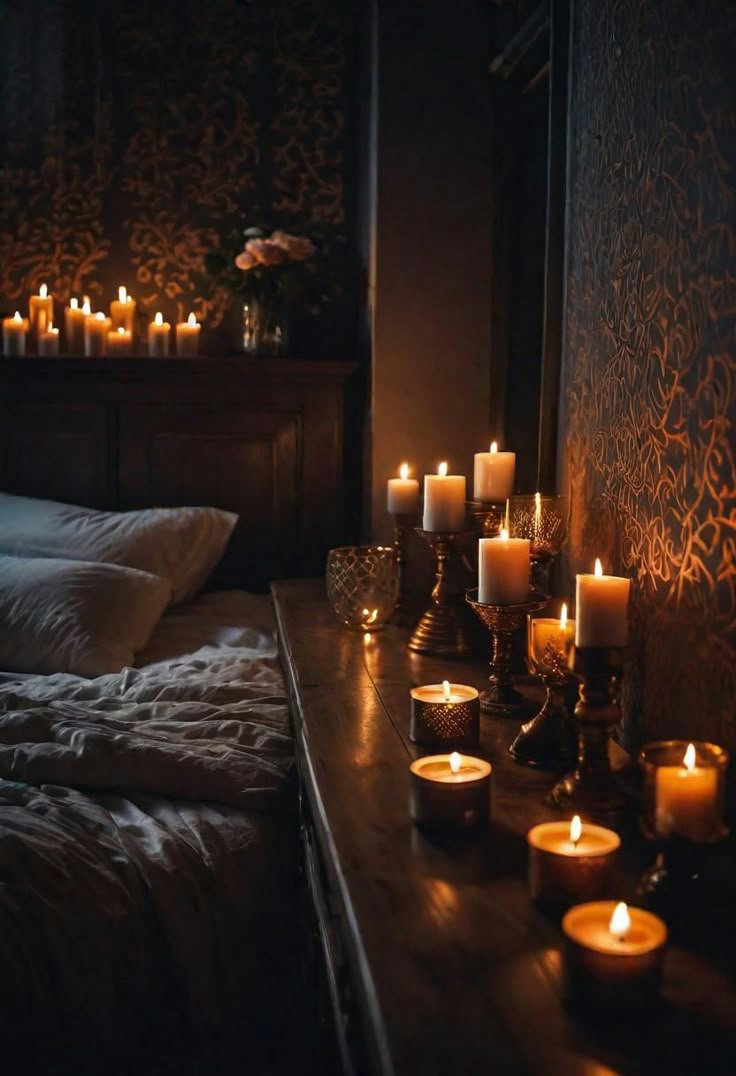
A bedroom can tell on you. The laundry chair, the too-bright ceiling light, the charging cables draped across the nightstand - they all shape the mood before anything intimate even begins. The best private indulgence bedroom ideas start there, with the reality of how a room feels at 10 p.m., not how it looks in a staged photo.
For a space meant to support refined pleasure, the goal is not excess. It is intention. A bedroom that feels sensual, private, and elevated usually comes down to a few well-chosen decisions: softer lighting, better texture, smarter storage, and objects that invite connection without broadcasting themselves. Done well, the room feels more like a curated experience and less like a collection of stuff.
What private indulgence bedroom ideas actually get right
The strongest bedrooms do two things at once. They create ease, and they create anticipation. Ease matters because clutter, harsh lighting, and visual noise pull attention outward. Anticipation matters because intimacy responds to atmosphere.
That means a bedroom designed for private indulgence should support more than sleep. It should make it easy to transition from ordinary routines into something slower, more sensory, and more connected. For some people, that means a room with hotel-level polish. For others, it means a softer, moodier space with discreet access to pleasure products, restraints, or couples essentials. It depends on how you want the room to function and who it is for - solo rituals, partnered intimacy, or both.
Start with lighting, because overhead light ruins everything
If your bedroom is lit by one bright fixture in the center of the ceiling, start there. Lighting sets the emotional temperature of a room faster than any other element, and nothing flattens a sensual atmosphere like cool, direct light.
Layered lighting works best. Bedside lamps with warm bulbs create softness at eye level, while dimmable sconces or low accent lighting add depth. Candles can work beautifully, but they are not always practical if you want control and convenience. Rechargeable lamps or dimmable LEDs often give you more flexibility without sacrificing mood.
The trade-off is visibility. A room that is too dark can feel impractical, especially when changing, reading, or reaching for products. The sweet spot is adjustable light. You want enough illumination to move confidently, but not so much that the room feels clinical.
Make the bed feel expensive, not just neat
A made bed is nice. A bed that feels indulgent is different.
Texture does most of the work here. Crisp sheets create one kind of experience - tailored, cool, polished. Washed linen creates another - relaxed, tactile, understated. Velvet, faux fur, sateen, and quilted layers can add richness, but too many competing materials start to feel theatrical. The room should feel touchable, not overstyled.
This is one of the most practical private indulgence bedroom ideas because it affects the experience immediately. A supportive mattress, quality pillows, and bedding that feels good against bare skin do more for intimacy than decorative clutter ever will. If you want one visual focal point, invest in a substantial headboard. It anchors the room and makes the bed feel intentional.
Hide the functional details, keep the pleasure accessible
Discretion is part of luxury. Not because pleasure should be hidden in shame, but because visual calm matters.
A private bedroom works best when essentials are easy to reach but not left out thoughtlessly. A velvet-lined drawer organizer, a lidded box, or a nightstand with divided storage can hold lubricants, massagers, vibrators, restraints, blindfolds, or chargers without making the room feel crowded. If you use multiple items, group them by experience rather than by product type. Keep sensory play together. Keep couples essentials together. Keep aftercare within reach.
This sounds small, but it changes behavior. When products are stored beautifully and logically, they are more likely to be used. They become part of the rhythm of the room instead of something you have to hunt for or awkwardly unpack.
Choose a color palette that slows the room down
Color affects pacing. Bright whites and sharp contrasts can feel clean, but they rarely feel sensual unless balanced with warmer materials. Deeper neutrals tend to work better for an intimacy-forward bedroom: soft taupe, mushroom, espresso, charcoal, muted olive, warm ivory, dusty rose, or deep plum.
The point is not to make the room dark for the sake of drama. It is to remove visual tension. A calmer palette allows texture, skin, and lighting to stand out. If you rent or do not want to repaint, bring the palette in through bedding, curtains, and upholstery instead.
Too much beige can feel flat, so add contrast through materials rather than bright color. Matte finishes, brushed metal, smoked glass, and natural wood keep the room layered and modern.
Add one element of controlled sensuality
Every memorable bedroom has a point of view. In a private indulgence space, that usually means one feature that subtly signals pleasure is welcome here.
That could be an upholstered bench at the foot of the bed, a mirror placed with intention, a sculptural chair, longer drapery that softens the walls, or a tray on the nightstand with fragrance, body oil, and a discreet toy. It can also be more direct: under-bed restraint compatibility, a locked drawer for kink essentials, or elegant storage dedicated to sensory play and power dynamics.
The key is restraint. One strong gesture feels confident. Five can feel busy. Luxury is often about editing.
Scent is part of the room, whether you plan for it or not
A sensual bedroom should smell clean, warm, and lived in - never stale, overly sweet, or aggressively perfumed.
Scent works best in layers. Start with actual cleanliness: fresh sheets, aired-out textiles, and a room that is not holding onto yesterday's takeout. Then add a controlled fragrance element, like a candle, diffuser, or linen spray in notes that feel soft and grounded. Woods, amber, soft florals, skin musk, vanilla, and subtle spice tend to work well.
Be careful with intensity. Fragrance that is too strong can compete with body chemistry and make the room feel artificial. If the goal is refined pleasure, scent should read as atmosphere, not announcement.
Design for sound and privacy too
This is the part people skip, and it matters more than they expect.
A bedroom rarely feels indulgent if it feels exposed. Thin curtains, hollow doors, echoing walls, and street noise all interfere with presence. Heavier drapes, a large rug, upholstered furniture, and even a fabric headboard can soften sound and make the room feel more protected. If privacy is a concern, a white noise machine is an easy upgrade.
For couples, privacy often determines how relaxed the room actually feels. For solo use, it can be the difference between feeling tentative and feeling fully at ease. Intimacy responds to safety, and design can support that.
Create zones instead of asking the bed to do everything
If you have space, even a little, build a second zone. That might be a lounge chair with a throw, a vanity corner, or a bench with a tray for aftercare items and water. The room instantly feels more intentional when it offers more than one way to inhabit it.
This matters because pleasure is rarely a single moment. It has a beginning, a middle, and an aftermath. A chair for slipping on a robe, a surface for body oil and towels, or a drawer dedicated to intimate essentials gives the room rhythm. It supports transition, which is what makes a bedroom feel curated instead of accidental.
If your room is small, the same principle still applies. A narrow bench, a floating shelf, or a structured nightstand can create enough separation to make the room feel layered.
Let technology support the mood, not dominate it
Screens are often the least sensual thing in a bedroom, but technology itself is not the problem. The problem is visible distraction.
Keep charging cords contained. Use warm smart bulbs so you can shift the room with one command. If you use app-connected or remote-controlled intimacy products, give them a dedicated, discreet home so setup feels easy rather than clinical. Thoughtful tech can make the experience smoother, especially for couples navigating anticipation, distance, or playful control.
This is where premium organization pays off. A room that supports modern intimacy should make these details feel elegant, not improvised. XtasyXperience reflects that same mindset - intimacy, elevated through design, clarity, and curated choice.
The best private indulgence bedroom ideas are personal
There is no single formula for a sensual bedroom because private indulgence is not a trend category. It is a reflection of taste, comfort, boundaries, and desire.
For one person, the dream is dark linen, soft amber light, and a perfectly organized drawer of discreet luxury. For another, it is a bolder setup with statement restraints, mirrored angles, and tactile layers that invite experimentation. Both can feel refined. Both can be beautiful. The room only fails when it ignores how you actually want to feel inside it.
If you are updating your space, do not start by buying ten things. Start by removing what breaks the mood. Then add back what deepens it - softness, privacy, texture, storage, and one or two details that make intimacy feel invited rather than incidental.
A bedroom does not need to perform for anyone else. It only needs to make your private life feel more considered, more confident, and more fully your own.